
The best science serves the best therapies
Chronic inflammation is a failure of resolution. Our platform is built to restore it — with therapies designed against human tissue biology, not mouse surrogates.
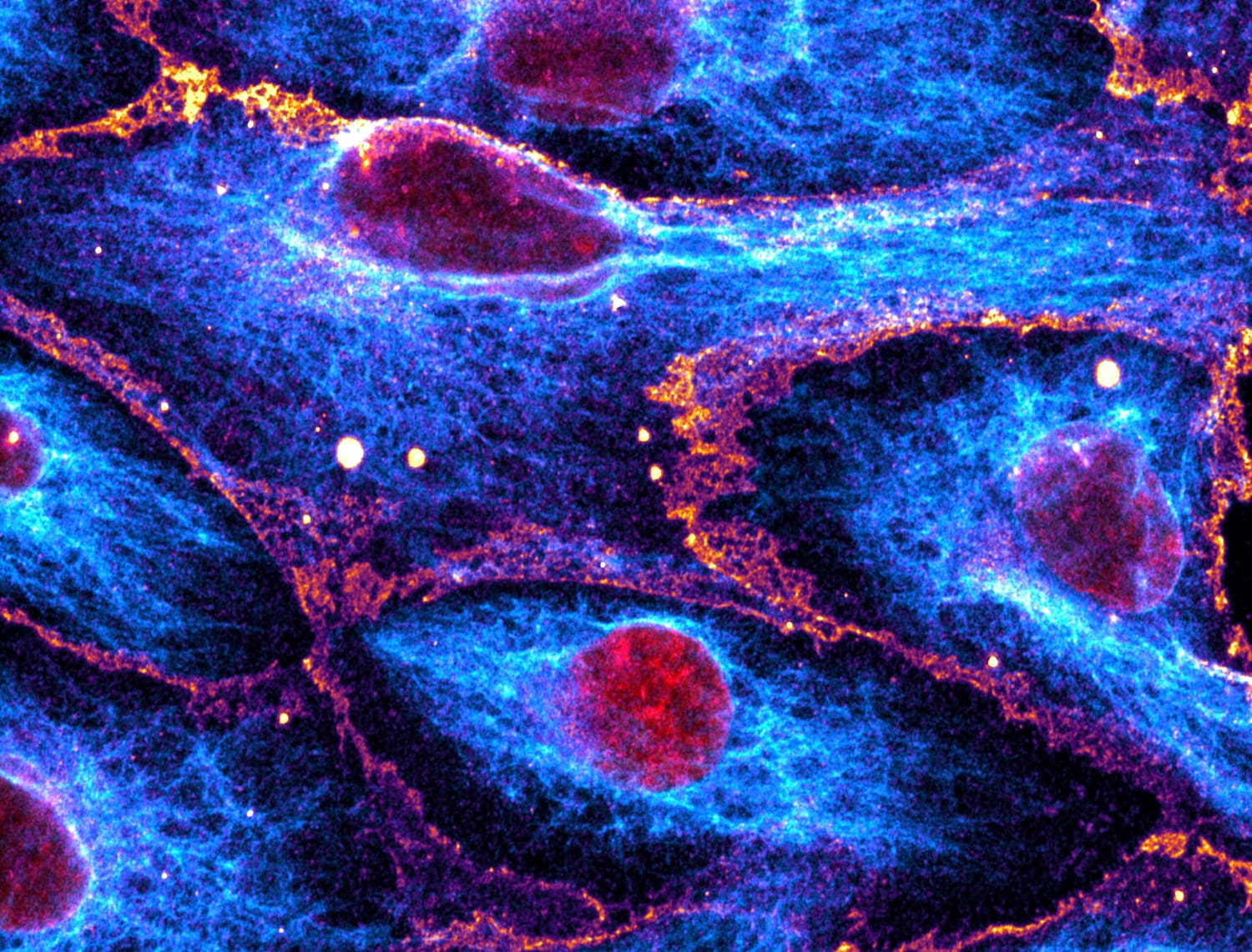
Inflammation that never resolves
Acute inflammation is protective. Neutrophils and monocytes arrive, clear the insult, and then a coordinated resolution program returns the tissue to baseline. That program depends on lipid mediators, macrophage repolarization, and regulatory T cells working in sequence.
In chronic inflammatory disease, the resolution step fails. The tissue stays in a low-grade activated state, fibroblasts lay down collagen, and metabolic function degrades. The result is fibrosis, barrier dysfunction, and progressive organ damage.
Blocking a single cytokine can quiet the symptom while the underlying loop keeps running. We target the loop.
Four principles that shape every program
Resolution biology
Inflammation is supposed to end. Healthy tissue actively switches it off through specialized pro-resolving mediators, efferocytosis, and regulatory immune circuits. In chronic disease those programs fail. We design therapies that restore them rather than simply blocking a single cytokine.
Tissue-level immunology
Blood biomarkers rarely predict what happens in the skin, lung, or adipose tissue. We work with primary human tissue and single-cell readouts to select candidates that engage the right cells in the right compartment.
Local delivery
Our small molecules are formulated for direct application to the diseased tissue — nasal spray for the sinus mucosa, eye drops for the ocular surface. Local delivery achieves high tissue concentrations while keeping systemic exposure low.
Translational biomarkers
Every program carries a biomarker strategy from the first experiment. We want early, unambiguous evidence of mechanism in humans — not a surrogate that only moves in mice.
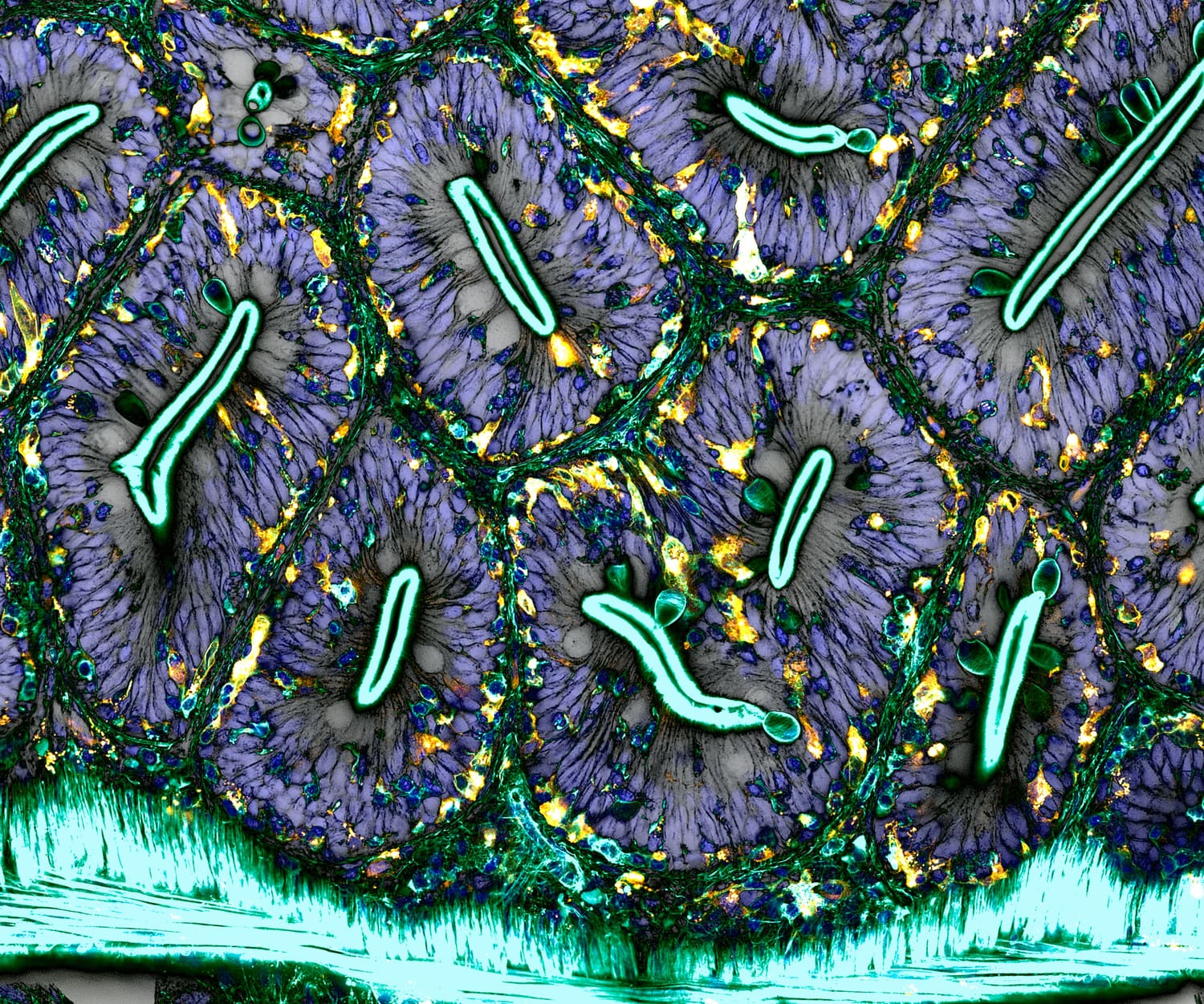
Small molecules, delivered to the tissue
Our programs are small molecules formulated for local administration. A nasal spray deposits drug directly on the sinonasal mucosa; eye drops deliver it to the ocular surface. In both cases the goal is the same: high concentration at the site of inflammation, minimal systemic burden.
Local delivery matters for chronic conditions. It avoids the systemic immunosuppression associated with broad-acting biologics, and it is practical for patients who need treatment over months or years.
See the pipelineFour axes, one underlying mechanism
Th2 inflammation, inflammaging, fibroinflammation, and metabolic disease look different clinically. Biologically they converge on the same failure of immune resolution.